The Grand Bazaar in Istanbul is often called the world's oldest shopping mall. Established in 1455, it has survived empires, earthquakes, and economic crises. But in 2025, it faced a new challenge: invisibility.
While millions of tourists walk through its 61 covered streets annually, most vendors had zero digital footprint. If you didn't physically walk past "Shop #402," it didn't exist. We launched a pilot program with a local spice merchant, whom we'll call "Ahmet," to test the OpenBazar SaaS stack.
The Challenge: Analog in a Digital World
Ahmet sells premium saffron and custom tea blends. His problems were typical for the informal economy:
- Cash Dependency: He lost 15% of sales because tourists didn't have enough Lira on hand.
- Inventory Chaos: Stock was tracked in a notebook. He often ran out of bestsellers without realizing it.
- Zero Retention: Once a tourist left Istanbul, they could never buy from him again.
The Solution: The "OpenBazar Lite" Stack
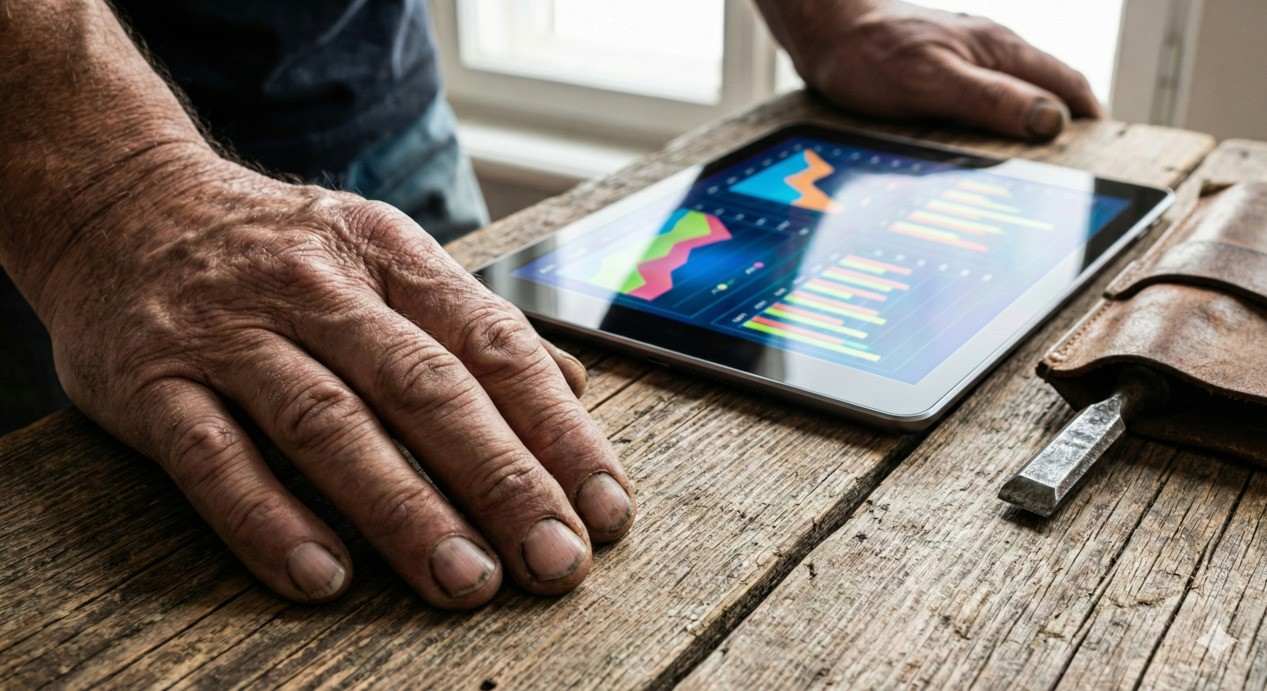
We didn't install a complex Point of Sale system. We gave Ahmet a tablet running our progressive web app.
"I don't need a computer that takes up my counter space. I need something that works as fast as I can scoop tea." — Ahmet
1. Digital Catalog & Global Shipping
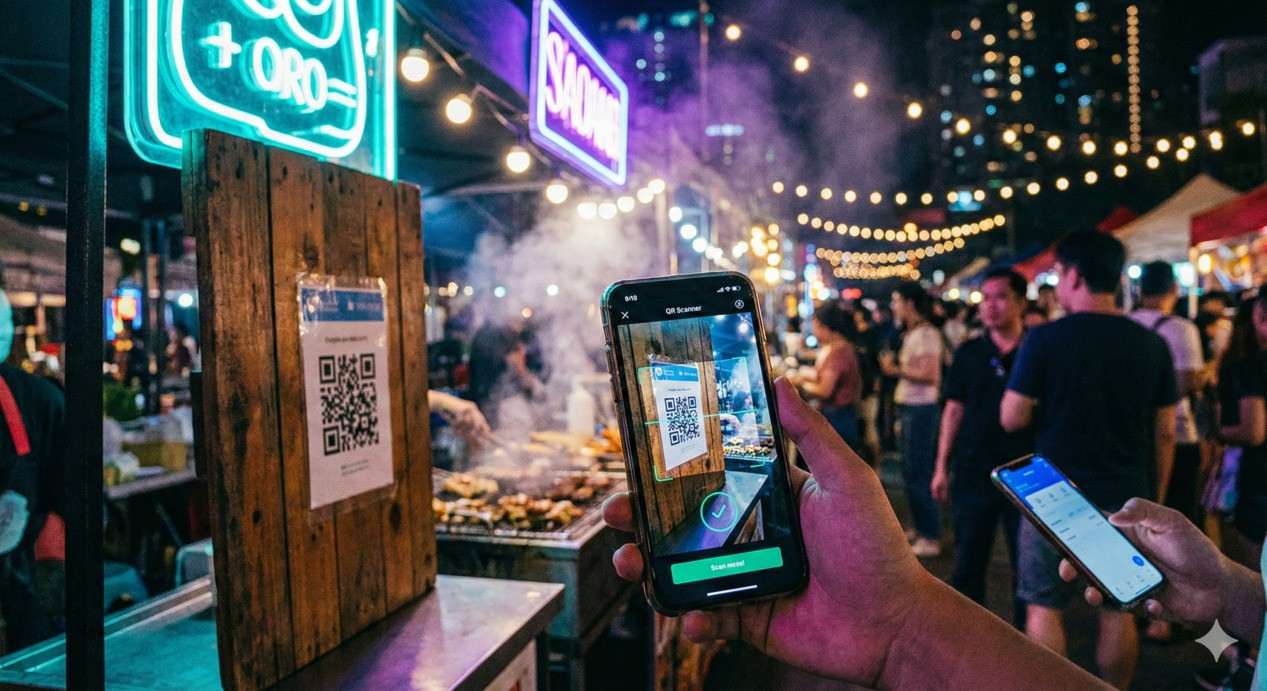
We digitized his top 20 products. Now, when a customer buys saffron, Ahmet scans a QR code that leads to his OpenBazar profile. The customer can hit "Subscribe" to get a fresh shipment every 3 months. Suddenly, a one-time tourist became a recurring revenue stream.
2. Hybrid Payments
Using the OpenBazar payment gateway, Ahmet began accepting USDC (Stablecoin) alongside credit cards. This allowed him to bypass high forex fees and hedge against local currency fluctuation.
The Results
After 6 months of digitization, the data spoke for itself:
- Revenue: +24% increase (mostly from re-orders).
- Speed: Checkout time reduced by 40% using QR payments.
- Reach: Ahmet now ships to 12 different countries.
Looking Ahead
This pilot proved that "digitization" doesn't mean turning a bazaar into an Amazon warehouse. It means giving artisans the tools to protect their craft while accessing the global economy. Ahmet is still a spice merchant, not a tech worker—but now, he has the power of a tech company in his pocket.