When we think of the future of commerce, we usually imagine sterile drone delivery hubs or VR shopping malls. But for 40% of the world, commerce looks like it has for thousands of years: open air, chaotic, and deeply human.
At OpenBazar, we believe the future isn't about replacing the Souk; it's about upgrading it. By 2030, the street market will be the most technologically advanced retail environment on earth, yet it will feel more organic than ever.
1. The Augmented Reality Overlay
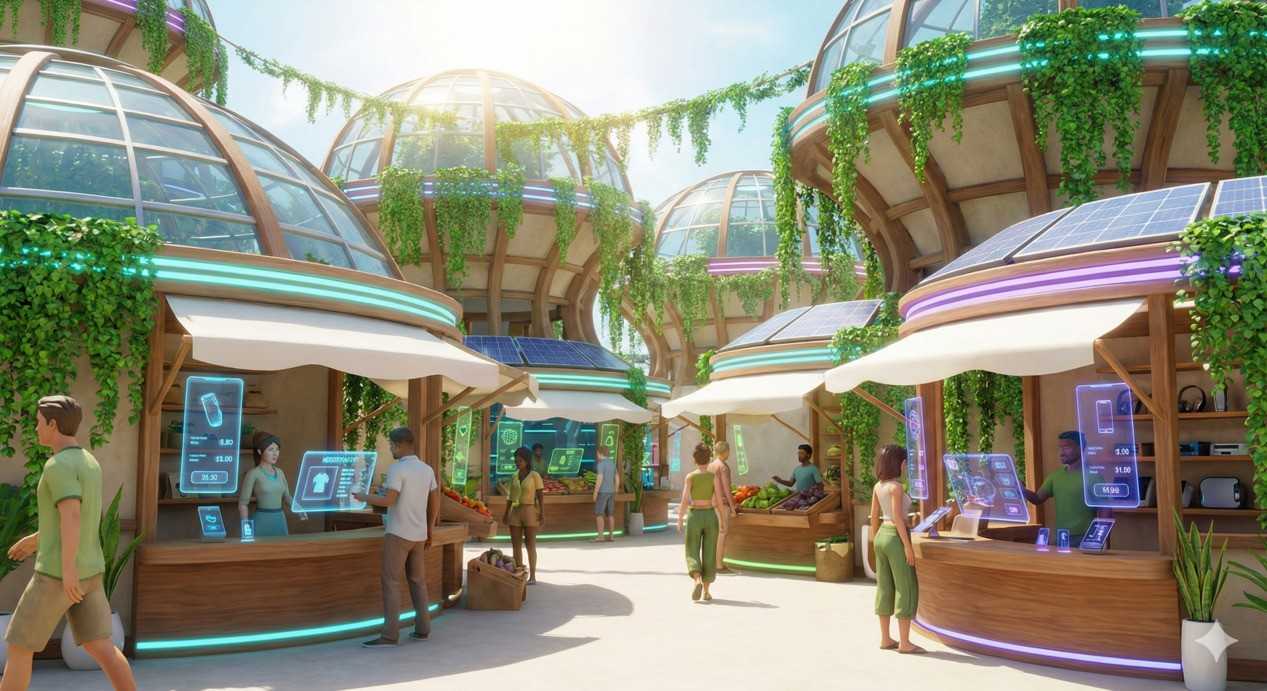
Imagine walking into the Grand Bazaar in Istanbul wearing lightweight AR glasses. As you glance at a pile of hand-woven rugs, a subtle holographic overlay appears floating in the air.
"Technology shouldn't obscure the product; it should tell its story."
This data layer reveals:
- Provenance: A video clip of the weaver in Anatolia making this exact rug.
- Dynamic Pricing: The price in Lira, USD, and Bitcoin, updated in real-time.
- Reputation: A verifiable "trust score" for the merchant based on blockchain transaction history, not fake Yelp reviews.
2. Micropayments & The End of Cash
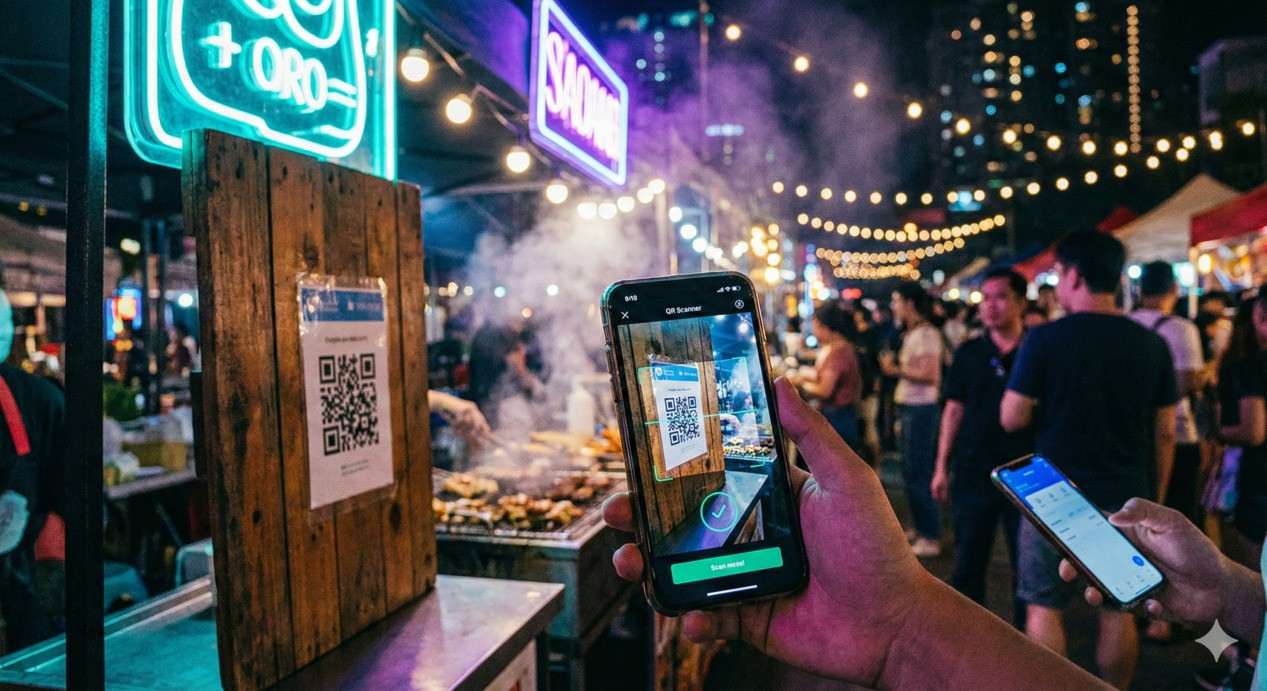
Haggling is an art form, but fumbling for change is a friction point. By 2030, "Tap to Pay" will evolve into "Nod to Pay."
Street vendors often lack access to expensive banking terminals. The future lies in decentralized finance (DeFi) tools running on cheap smartphones. A buyer and seller agree on a price, tap phones (or use AR gesture recognition), and value is transferred instantly with zero fees. This financial inclusion empowers the smallest stall owners to compete with global giants.
3. Global Logistics for Local Stalls
Usually, if you buy a lamp in Marrakech, you have to carry it home. In the OpenBazar vision, you scan the item, pay for it, and the merchant hands it to a local courier network immediately connected via API.
You walk away hands-free to enjoy your tea, and the lamp arrives at your doorstep in New York or London three days later. The physical market becomes a showroom; the fulfillment is digital.
Conclusion
The "Bazar" is resilient. It has survived empires, wars, and the internet. The next decade won't kill the street market—it will make it the envy of the retail world. It is the perfect blend of high-tech efficiency and high-touch humanity.